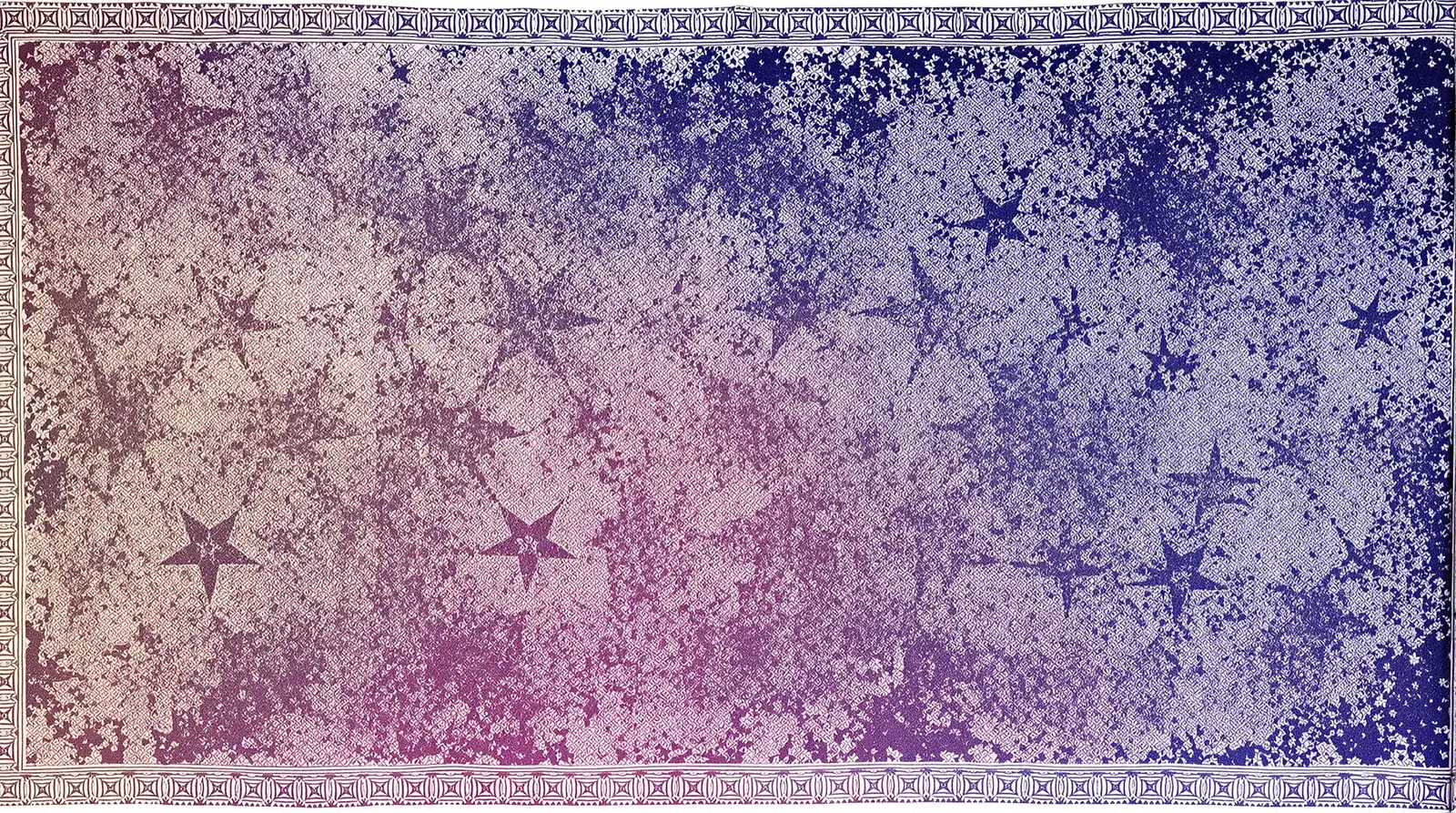
Each idea carries its own internal thermostat alongside its temporal rhythm. Some burn white-hot, demanding immediate attention, drawing crowds around their fierce radiance. Others simmer quietly at consciousness edges, recognised only by those with calibrated sensitivity to subtle heat signatures.
Temperature reveals the metabolic rate of thought. Hot ideas consume oxygen rapidly, spreading with viral intensity. Cold ideas require patient cultivation in specialised environments.
Here lies the crucial intersection: every concept operates on dual time signatures. Personal time—the individualistic rhythm at which an idea develops within a single mind—rarely synchronises with common time, the shared chronological context we all inhabit. When we say "an idea's time hasn't come," we're describing thermal-temporal misalignment.
This thermal gradient shapes intellectual ecosystems. Academic conferences showcase burning questions whilst libraries preserve frozen insights. The university lecture hall operates as thermal regulation, maintaining optimal temperatures for knowledge transfer.
The intersection cannot be willed consciously. Personal time might nurture an insight for decades whilst common time remains thermally inhospitable. Social movements create thermal conditions for ideas to ignite simultaneously.
Individual minds operate with thermal signatures, attracted to ideas matching their internal temperature. Cold minds seek neglected theories. Hot minds chase trending topics crackling with recent discovery energy.
Sophisticated thinkers develop thermal dexterity—working across temperature ranges. They maintain cooling chambers for delicate insights alongside furnaces for revolutionary connections.
Publishing operates as thermal management. Journals function as incubators. Social media creates thermal shock. Books provide thermal mass, radiating heat slowly over decades.
Innovation happens at thermal boundaries where urgency meets reflection. These gradients generate energy differentials necessary for intellectual work.
Contemporary discourse suffers from thermal homogenisation. Algorithms create artificial heat around commercially viable ideas whilst transformative concepts approach absolute zero.
What institutions might emerge designed around thermal diversity? What discoveries await when we map cycles? Can we develop instruments sensitive enough to detect ideas whose personal time approaches our common time