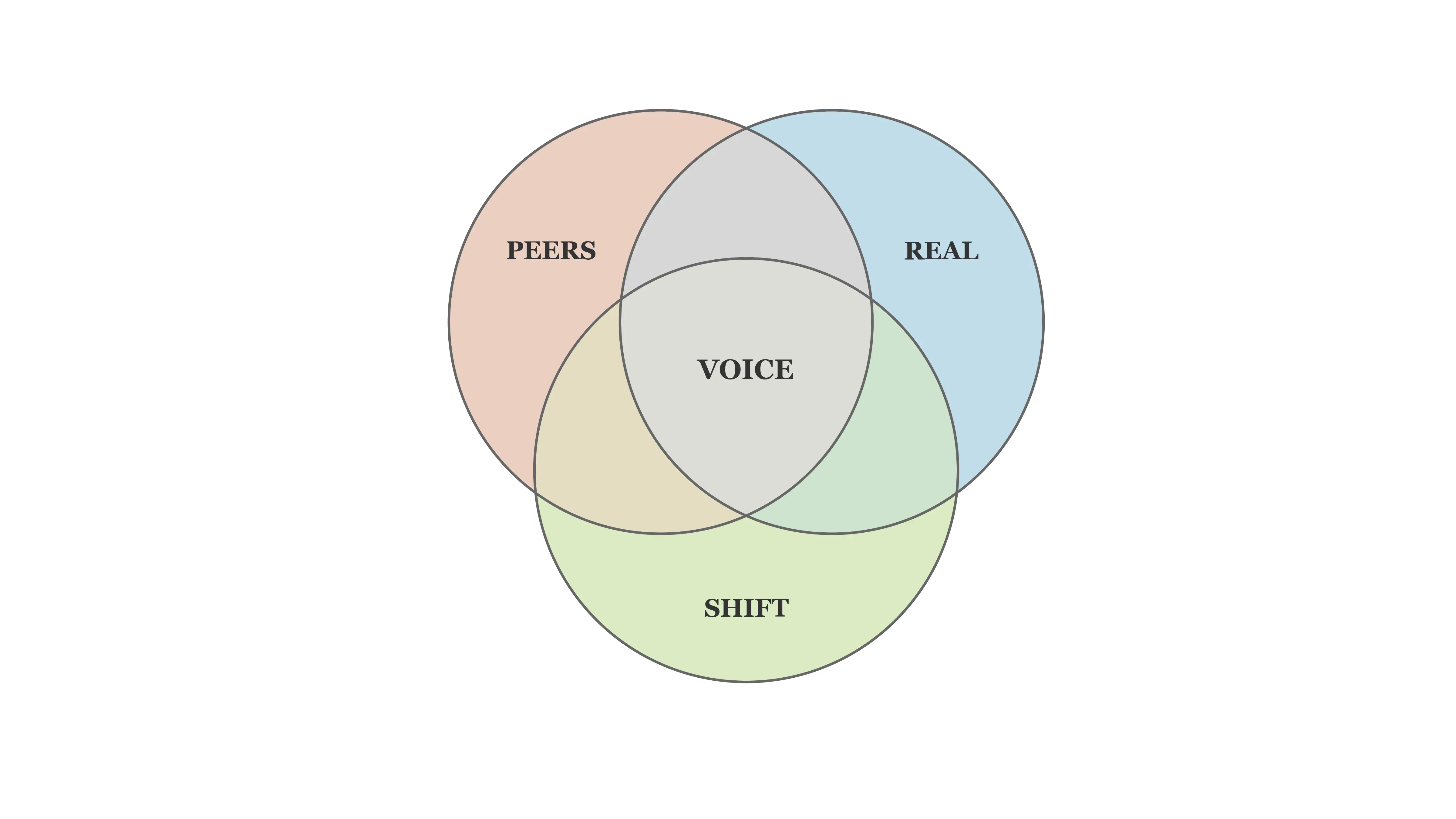
The perception of clarity, conviction and drive are socially mediated. Socially mediated by the friends we choose to have, either batchmates or seniors. I strongly recommend to my students to keep one leg outside the safe-space of the university campus. Engaging with the real world and not just working with prototype projects but working with real projects in relevant contexts can certainly help much more.
A thermometer registers the temperature of the room it occupies, not some abstract absolute value. Student confidence functions similarly—it calibrates against ambient expectations rather than actual capability. The conversations you overhear in corridors matter more than you might imagine. The doubts your friends voice become doubts you subsequently find within yourself. When conversations circulate around grades and placements rather than problems worth solving, your sense of purpose contracts accordingly. The atmosphere in which perception forms determines what perception becomes possible.
I believe all design students should volunteer and contribute to the design needs of some popular FLOSS project. FLOSS (open-source projects) can easily be a good fit—at least for interaction design projects. There is real need, there is at least the intention of being a meritocracy in most cases, and such interventions can be perfect portfolio cases. Getting to contribute to real FLOSS projects is difficult and competitive, but that can only be good for developing professional resilience and self-assessment capability.
Consider what happens when you contribute to projects where your work ships to thousands of users you will never meet. Feedback arrives through bug reports and pull request reviews—stripped of social politeness and institutional hierarchy. Nobody softens critique because your tutor stands nearby. The work either serves its purpose or fails visibly. This re-calibrates what confidence means entirely.
Being active in such a way can immediately change the social context that the student is embedded in. When peers discuss hypothetical interfaces whilst you debug translation issues affecting Brazilian accessibility advocates, reference points stretch beyond classroom walls. Problems become concrete rather than performed. Standards emerge from function rather than from rubric.
Which voices currently shape how you perceive your own capabilities—are they embedded in similar uncertainties or navigating territories you haven't yet explored?
#DesignEducation #OpenSource #FLOSS #InteractionDesign #PortfolioBuilding #StudentDevelopment #RealWorldProjects #Meritocracy #SocialContext #ProfessionalGrowth