Self-evaluation remains unfamiliar to most people because most of us internalised the "self-critical" metric on the basis of external expectations imposed without revision—without genuinely thinking about whether these criteria serve our interests. Seeds require specific dormancy-breaking conditions before germination: temperature shifts, moisture levels, sometimes fire. A seed carrying dormancy requirements from its parent plant's climate will fail to sprout in different conditions, waiting forever for the signals that never arrive. We carry evaluation criteria from environments that shaped us, applying standards designed for contexts we no longer inhabit.
What distinguishes what others wish for us from what we ought to wish for ourselves? The obvious difference emerges from the basic fact that we can know our own potential the best—eventually. But for a long time we are clueless. And that is precisely why we need teachers in our lives.
Teachers can know our potential better than us and better than anyone else we know. Sometimes they cannot articulate this knowledge explicitly, yet they possess ways of helping us realise what it is. This happens because teachers maintain active presence in our lives, sometimes for extended periods, becoming intimately aware of our challenges as well as our strengths. Consider how navigation apps learn your commute: they observe which suggested routes you ignore, which delays trigger rerouting versus patient waiting, which shortcuts you discover independently. Through accumulated journeys, patterns emerge that no single trip could reveal. This sustained observation maps your actual preferences in ways that explicit settings and stated intentions cannot.
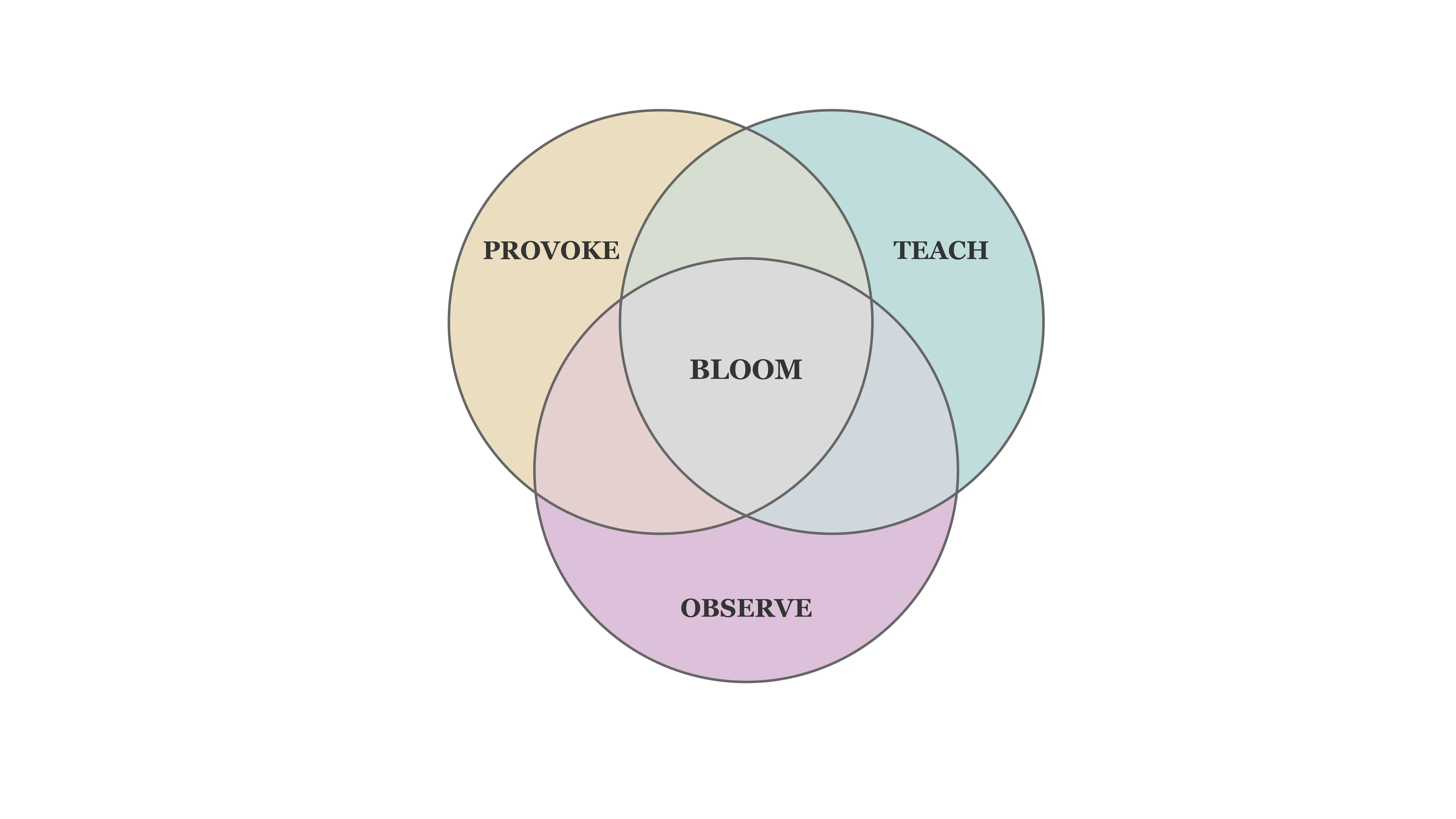
One of the main values universities still hold is that their model allows them to pay teachers salaries so that they dedicate their time and active interest in their students. This economic arrangement creates conditions for the kind of sustained attention that self-knowledge requires—someone positioned to notice what we cannot notice about ourselves, someone whose professional incentive aligns with our development, someone who can poke, provoke or reassure us as and when needed.
The problem emerges when we carry self-critical standards inherited from contexts that never really intended our flourishing. What external expectations have you internalised that might serve someone else's interests rather than your own? How has a teacher helped you recognise potential you couldn't see independently?
#SelfEvaluation #Teaching #ProfessionalDevelopment #PersonalGrowth #HigherEducation #Mentorship #Pedagogy #SelfKnowledge #Education #PotentialRealisation