Listening is a skill involving being responsive to what someone else is saying. When we find someone who listens, they become a friend. What is listened-to doesn't just need to be words. One also reads presence, body language, perspective. Someone receptive in any way becomes a friend.
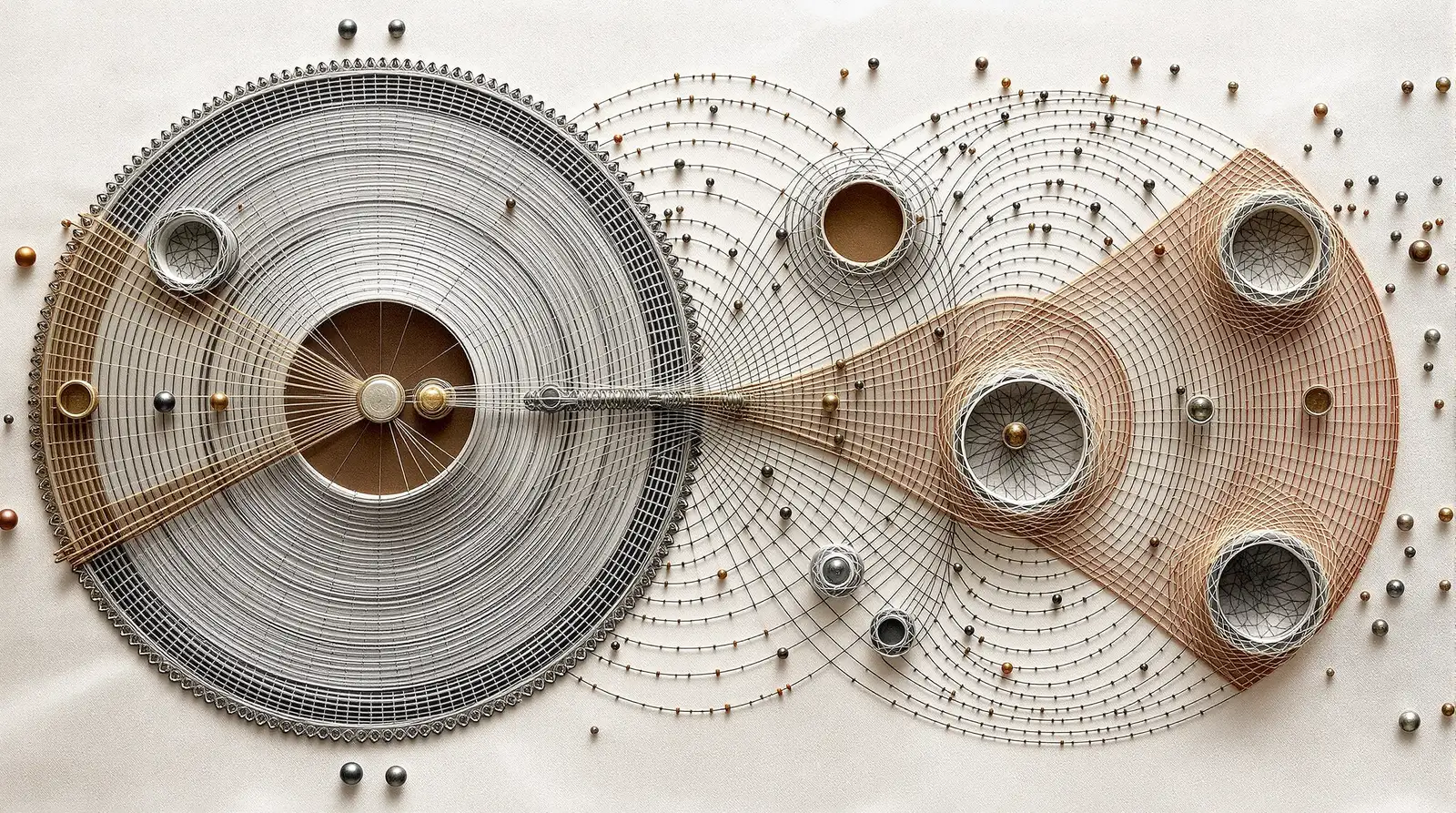
Friends who are good for us listen only to those selective aspects of us which hold the possibility of being good for us, because listening means to offer no resistance. This selectivity operates through acoustic architecture. Concert halls built for string quartets weren't designed to make brass resonate. The structure argues which sounds deserve amplification.
Knowing whom to listen to becomes crucial. If we find ourselves drawn to voices amplifying the wrong aspects, we drift toward versions we didn't intend to become. The precision resembles a locksmith feeling for which pins matter. Too much attention to the wrong frequency, the mechanism fails to open.
Friendships help us become who we want to become, though we rarely acknowledge this. When we gravitate toward certain people, possibilities of becoming (who we actually want to become) increase. This reveals something uncomfortable: beneath what we call natural affinity runs a substrate of mutual shaping.
Every friendship operates as mutual sculpting through selective attention, whether we admit it or not. The gardener pruning doesn't hate what they remove—they're cultivating particular form from infinite possibilities. We do this constantly, listening more closely to certain frequencies, letting others fade. Not with malice, simply through the architecture of our attention.
This happens regardless of intention. We respond more to some aspects of each other than others. We amplify certain patterns through repeated attention. We shape each other simply by which parts we notice, which we encourage through enthusiastic reception. The question isn't whether this occurs—it demonstrably does. The question concerns what happens when we see it clearly.
Offering equal resonance to every frequency produces noise, not authenticity. Attention without selectivity means attention to nothing. Friendships persist partly through unspoken agreements about which versions of each other we'll amplify, which we'll let recede. This isn't manipulation. It's how selective attention functions.
What would relationships look like acknowledging these patterns openly? Does naming the selection honour what's always occurred, or reduce something organic to mechanics?