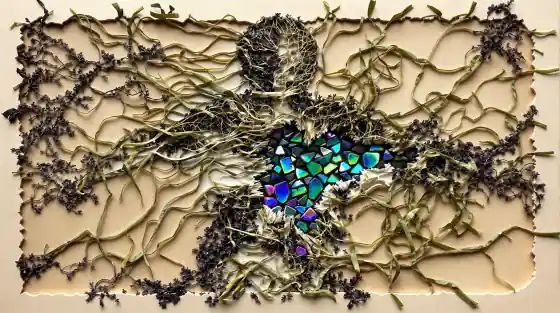
You Cannot Talk Yourself Out of Caring
Try this thought experiment: spend an afternoon convincing yourself that nothing matters. That we’re temporary arrangements of atoms, cosmically insignificant, that your preferences are just chemistry. Now check—do you still prefer warmth to cold? Company to loneliness? Understanding to confusion? Of course you do. You cannot talk yourself out of caring, even when you know caring has no cosmic permission slip.
Which reveals something quite strange about ethics. We assume we care about others because they matter. But turn it around: we care about others because of what indifference does to us. When you ignore suffering you could prevent, something inside you begins to corrode. Not guilt—something deeper. The part of you that can distinguish between things that matter and things that don’t starts fragmenting. You become the kind of person who can’t tell the difference anymore.
This is why we protect forests, extend rights, care about animal rights. Not because the universe validates these choices, but because the version of ourselves that could casually destroy whilst knowing better becomes unbearable to inhabit. Cruelty doesn’t just harm the victim; it warps the one who practises it. Living amidst destruction we’ve chosen creates a discord we cannot tolerate and remain ourselves.
Think of consciousness as a precision instrument designed for detecting what matters. But instruments need maintenance. They degrade through misuse. Each time you act with callousness towards something that can suffer, you’re not just harming that being—you’re damaging your own capacity to register significance at all. The more you practise indifference, the more you become the kind of awareness that can no longer tell signal from noise, meaning from emptiness. You corrode from the inside. Your detector stops working.
Perhaps every moral framework we’ve built is just consciousness constructing guardrails against its own decay. Ethics might not be about others at all—it might be elaborate self-protection. When we extend kindness, we maintain the instrument that lets us detect meaning. When we choose cruelty, we corrode our capacity to care about anything, including ourselves. The uncomfortable truth: what we imagined as fundamentally about the other might always have been about protecting ourselves from what indifference makes us become. Every act of compassion is also self-preservation. Every moral choice is us choosing what kind of consciousness we can bear to inhabit.