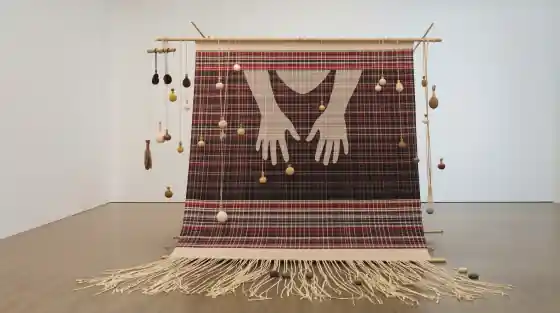
Knowledge Accumulates Beneath Articulation
Besides instruction, scaffolding and guidance, we learn most effectively by observation. Observing phenomena without narrative or notes, we label components ourselves. Many understand this intellectually, yet observation never becomes real.
Educational institutions claim to value process over product, yet structure themselves around products: portfolios, presentations, outcomes. The messy middle—where practitioners negotiate uncertainty, abandon directions, restart from oblique angles—remains hidden. Students encounter polished performances, then wonder why their attempts feel chaotic. They mistake fluent improvisation for certainty, never seeing calibration adjustments beneath awareness.
Observational learning operates through different temporal architecture. Tutorials compress decision-making into steps, implying linear progression. Pure observation reveals what tutorials conceal: expertise manifests not as superior decisions but as superior sensitivity to feedback. The programmer doesn’t possess more knowledge; they’ve developed heightened receptivity to code’s responses, noticing misbehaviours signalling problems. This sensitivity cannot be taught because it exists below explanation’s threshold.
Knowledge accumulates beneath articulation, developing as perceptual acuity rather than declarative understanding. The body catalogues distinctions before language catches up—recognising patterns the mind hasn’t learned to name. This isn’t passive viewing; this is active metabolisation of information absorbed but not translatable.
The paradox sits at the centre: we can only observe when we stop extracting lessons. Hunting for principles collapses observation into categorisation. We see what we expect, mapping unfamiliar territory onto existing frameworks rather than allowing novel patterns to emerge.
Children acquire language not through instruction but immersion. They absorb rhythms, intonations, associations. Similarly, witnessing practice lets students internalise practitioners’ relationships to tools, tolerance for confusion, willingness to pursue hunches leading nowhere.
Perhaps the shift isn’t pedagogical but epistemological. Stop asking “What should students learn?” and ask “What appetite for making can we cultivate?” That appetite emerges from witnessing satisfaction practitioners derive from navigating complexity. When students observe someone absorbed—not performing expertise but inhabiting it—they encounter alternative relationships to uncertainty.
What becomes possible when observation becomes primary curriculum? Can institutions accommodate learning that refuses to announce progress, accumulating invisibly until manifesting as transformed capability?