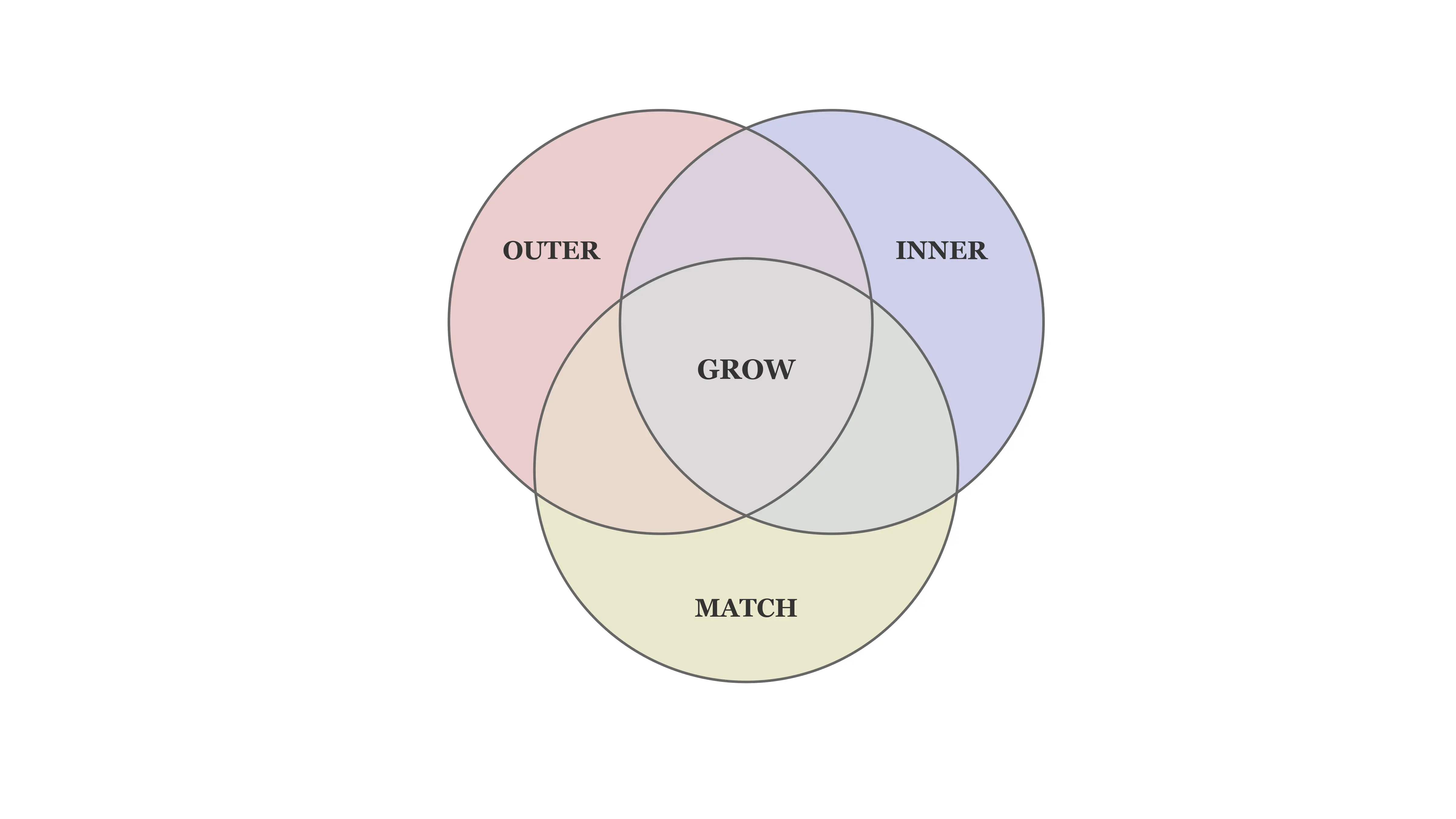
Jury evaluation criteria needs to be transparent in its scope, interpretation and application context. While external jury panel members supposedly employ tacit knowledge accumulated across decades of professional practice, the criteria itself is framed by faculty members operating within entirely different institutional contexts. How jury members translate their own expertise to understand criteria someone else created remains a mysterious and undefined process.
Universities justify this arrangement by pairing external evaluators with internal faculty who know the curriculum, the pedagogic intentions, the contextual nuances. This justification sounds quite reasonable until examined more closely.
The assumption fails for several interconnected reasons.
Explanation contaminates evaluation. The moment internal faculty clarify "what we really mean by X criterion," they shift from facilitation to advocacy, framing the student's work within narratives the external evaluator would never construct independently. The supposed value of external perspective—fresh eyes, different standards, professional calibration—gets neutralised by the very act meant to enable it.
Power dynamics suppress genuine negotiation. External jury members are guests, often compensated, sometimes hoping for future invitations. When internal faculty say "this criterion concerns process over polish," the external member rarely responds with disagreement. The social contract of the jury room discourages such friction.
Criteria language carries multiple meanings. Words like "rigour," "conceptual clarity," "iteration" mean different things in studios, firms, and classrooms. Explanation introduces additional ambiguity—now the external member must reconcile their own understanding, the stated official meaning, and what they observe internal faculty actually rewarding.
No verification mechanism exists. Universities never test whether the translation actually worked. The assumption that understanding occurred remains entirely faith-based.
This false assumption is why jury criteria for student self-evaluation and criteria for external evaluation should match. When both sets align, student growth—the supposed reason universities exist—becomes the single focus of both internal and external assessment. If these two sets of criteria match, students can advocate for their own self-interest and voice out any anomalies, gaps and contradictions that arise.
Have you observed jury processes where explanations transformed rather than translated the criteria? What would change if students and jurors evaluated (self and external evaluation) work against identical standards?
#DesignEducation #Assessment #JuryProcess #Pedagogy #HigherEducation #EvaluationCriteria #StudentGrowth #TacitKnowledge #EducationalPhilosophy #DesignSchools