Astrology is in all likelihood some primordial, impossible to validate, unscientific socio-cultural riffraff that is passed off as some holy insight into how the universe works. But what this text talks about is the strange and unexplainable fact that a lot of design critiques are in fact a lot like some astrological prediction. How?
Design critiques are often based on perspectives that have not been validated or even those that can ever be validated. The point is that either of these critiques might be valuable. Even if some information is true, it can be unproductive in the context of a critique.
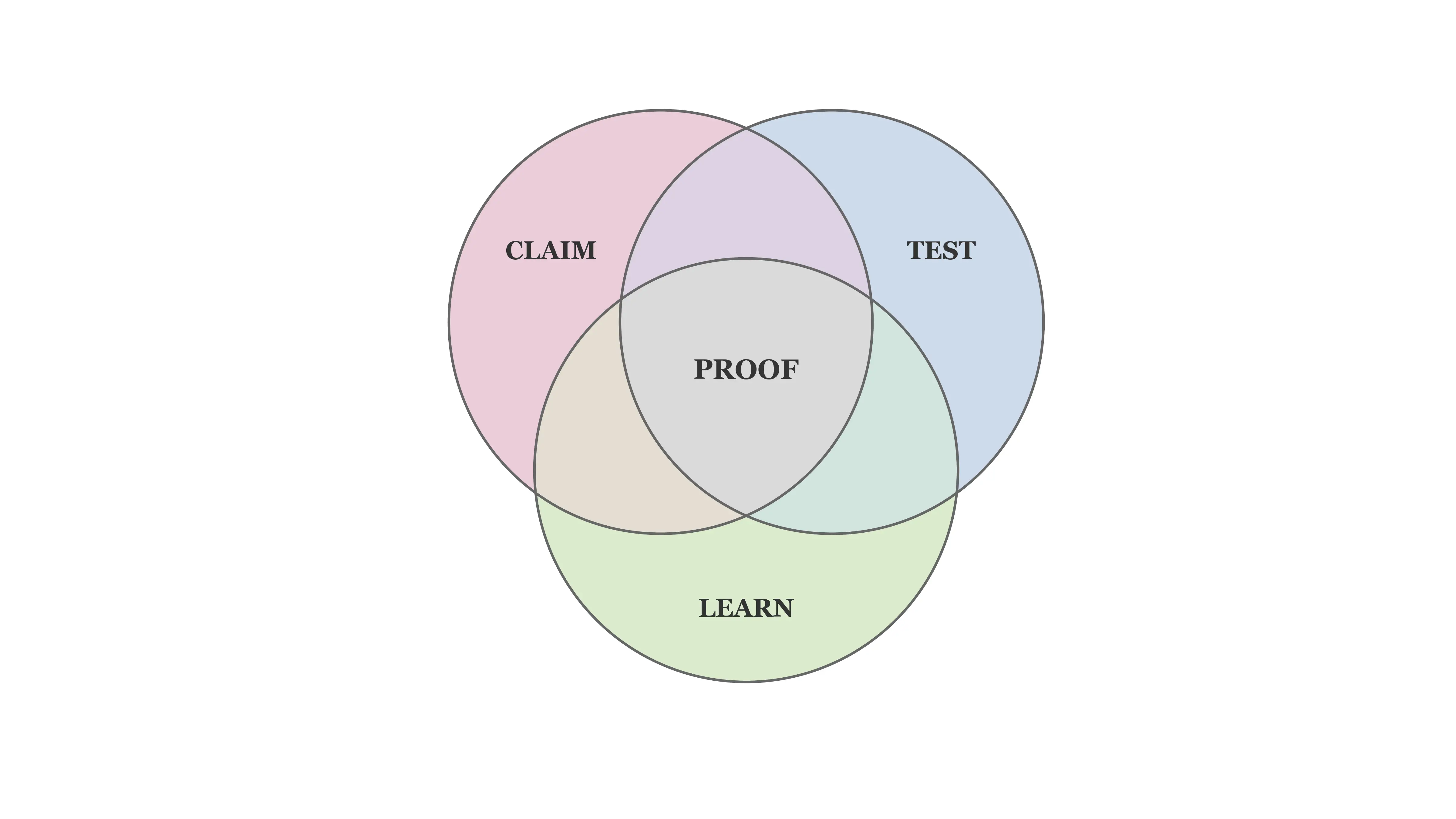
A good design critique should be possible to zoom into, apply and validate through independent exploration. Astrological readings operate differently. You visit an astrologer who declares Saturn's position suggests career obstacles. You can't test this claim's internal logic. You can't isolate Saturn's influence from Jupiter's. The prediction cannot be tested.
Design critiques sometimes function identically. A senior designer announces your interface "lacks cohesion." You return unable to verify this claim's foundation. Cohesion measured how? Against what standard? The critique offers no testable predictions about what users will actually do. It provides narrative that sounds authoritative whilst resisting verification.
I am only saying that maybe a design critique is not the right place for such perspectives. A design critique might not be the right context for an individualistic, contextual, subjective perspective. I am not saying individualistic, subjective perspectives are not useful to designers. They can inform intuition, shape aesthetic sensibility, build tacit knowledge. But these belong in personal development, not in critique.
Architectural engineers don't critique load-bearing walls through subjective impression. They calculate stress distribution, verify against material tolerances, predict failure modes through testable hypotheses. When design critique abandons this possibility, when it becomes performance of expertise rather than transmission of verifiable method, it converges uncomfortably with astrology: both produce statements you cannot independently verify, refute, or learn to generate yourself.
Can we distinguish between perspectives that inform personal taste and frameworks that enable collective validation? When you receive critique, can you trace its logic independently, or must you accept it on faith?