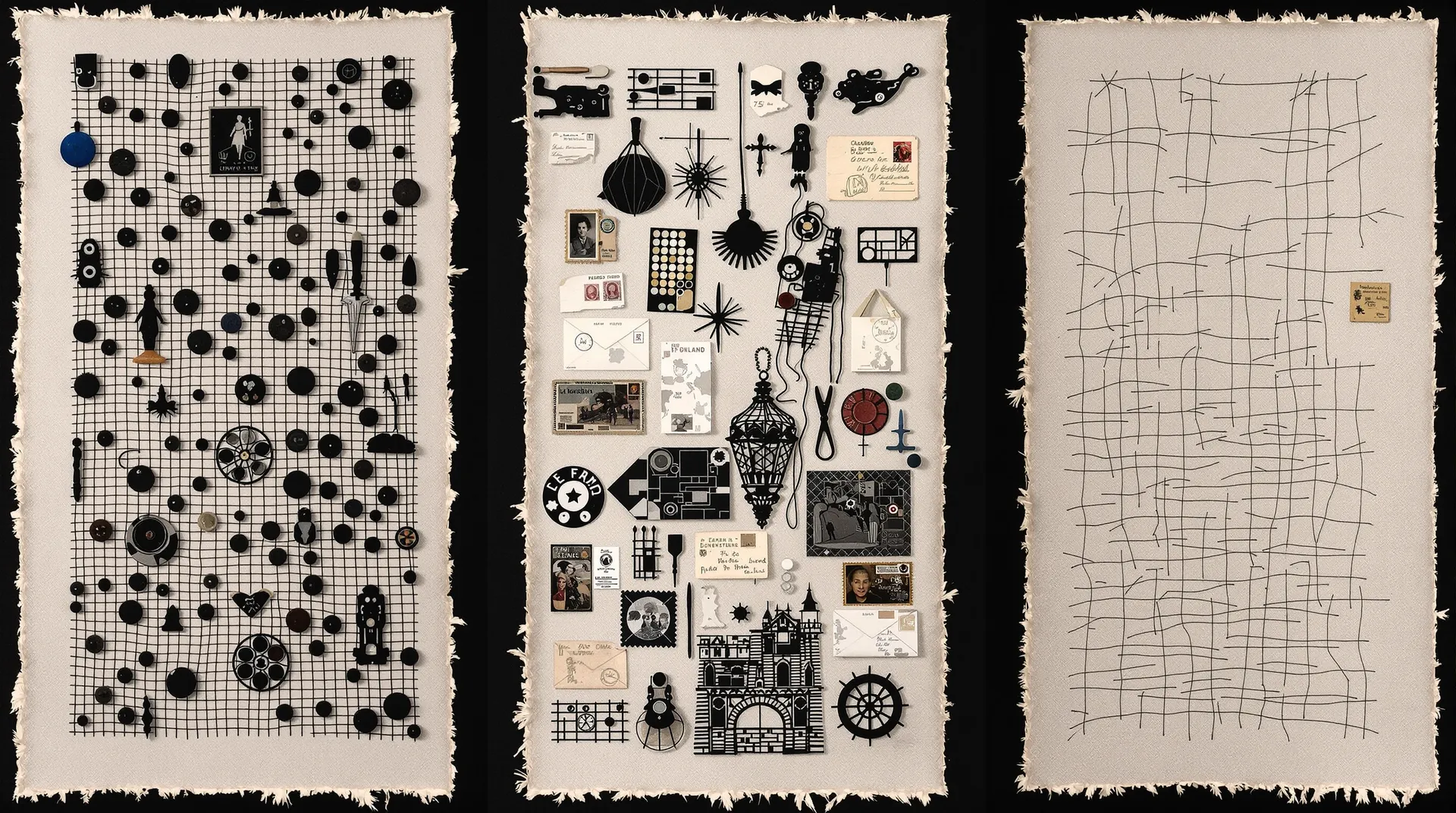
We are all guilty of abandoning the past, at every moment. We pursue certain strands of our life with deliberate continuity whilst abandoning most positions we assumed earlier. By treating youth as a condition that wears off slowly, to be humoured rather than taken seriously, we miss reading the signs we only look for at an early age. Some say that age is only a number, but it is not. Our age represents conditions that determine what features of the world we pay attention to and how we make sense of them. A part of the grief of existence involves abandoning our sincerity and earnestness, becoming savvy, practical and street-smart.
This manifests most clearly in what brings us joy. Our favourite toys have a unique ability to give us joy, yet as we go through life, we forget what gives us joy. We exchange intuitive pleasure for strategic advantage, measuring worth by metrics unrelated to the unbidden smile when holding something that matters purely because it matters. The toys gather dust whilst we attend optimisation meetings, having stopped consulting the part of ourselves that knew what was worth caring about.
This pattern of selective abandonment reveals a deeper challenge. Abandonment requires sensitivity to our shifting actions and motivations, yet consciousness of this process operates differently. A dissonance exists between living through transformation and witnessing it simultaneously. Most never develop the capacity to observe themselves mid-metamorphosis, noting when sincerity begins its recession. We operate as continuous selves whilst evidence accumulates that we are sequential strangers inhabiting the same body. Each version leaves debris for the next.
This inability to witness our own changing creates its own burden. We don't always manage to say things we want to say. Each such thing remains stuck in us till we write it down in the figurative letter and send it off. The unsent correspondence accumulates like sediment, forming layers of almost-articulated thoughts weighing on the present. Some spend decades composing letters to younger selves, bridging unbridgeable gulfs. Writing completes something even when the message finds no reader, acknowledging the loss and granting us permission to continue.
How do we honour the selves we have abandoned whilst remaining capable of forward motion? Can documentation of our own forgetting serve as a form of remembrance? Does consciousness of inevitable change alter the nature of the changing itself?